
‘Everybody deserves to come home safely’: Commercial seafood industry launches national safety program, Sea Safe
Seafood Industry Australia (SIA), the national peak-body representing Australia’s commercial seafood industry, in conjunction with the Australian Maritime Safety Authority (AMSA) and the Fisheries Research and Development Corporation (FRDC), have launched Sea Safe, a program designed to improve the culture of safety in the commercial seafood industry, at an event held in Fremantle, Western Australia on February 16.
“The safety and wellbeing of our industry and its people is paramount, and we need to do everything we can to ensure our people and our operations are the safest they can be,” SIA CEO Veronica Papacosta said.
“Sea Safe is a four-year program that has been designed to drive culture improvement and change throughout the sector through a focus on peer-to-peer sharing, learning and ultimately behaviour changes.
“Thanks to funding provided by AMSA and FRDC, Sea Safe is a great example of industry and the government working together to address the critical issue of safety.
“Safety is one of SIA, and the entire commercial seafood industries, top priorities and these sorts of initiatives are vital to keeping our seafood producers safe. No matter the industry, everyone deserves to be safe at work and every family deserves their loved-ones to come home unharmed.”
“At AMSA we are committed to ensuring safe vessel operations, including the safety of all crew in Australian waters,” says AMSA Executive Director of Operations, Michael Drake.
“We are pleased to support Sea Safe. This program complements our aim of working in partnership with the maritime industry to improve safety at sea, and we look forward to seeing the benefits to the safety of commercial fishers around Australia.”
FRDC Managing Director Dr Patrick Hone said ensuring the safety of everyone working in commercial fisheries and aquaculture is of critical importance.
“Working at sea and around water is inherently high risk. Most risks can be managed through education and the use of safe practices. FRDC has invested in fishing and aquaculture safety programs and projects throughout Australia, over many years including FRDC-funded programs such as SeSafe and FishSafe that have been instrumental in shaping the new Sea Safe program,” Dr Hone said.
“FRDC is proud to extend our commitment to safety through our investment in Sea Safe. We want all people who work and play in, on or near the water, to be safe and go home to their families, so having a national Sea Safe program will help build a safer culture for all our stakeholders.”
“Sea Safe is a vital initiative aimed at ensuring the safety and sustainability of our nation’s commercial seafood industry. The seafood industry is a significant contributor to the Australian economy and provides employment to thousands of Australians. However, it is also a dangerous profession, with many fishers risking their lives every day to provide for their families and our country,” SIA Wellbeing Program Manager Jo Marshall said.
“Up to 50 seafood communities nationally will be involved in the program, with up to 100 Safety Advocates teaming up to collect and share stories, learning and tools to help keep each other coming home safely from work.
“The program has its foundations in peer-to-peer information sharing and learning. This is a program by industry, for industry. It picks up on the great research already done by FRDC and their stakeholders under the National Seafood Safety Initiative along with the work of SeSafe and Fish Safe, transitioning them into one integrated, national program.
“Throughout the next four years, SIA will continue to develop tools to assist our industry to arrive home safely every time they go to work. The objective of the program is: to achieve a positive change in workplace safety culture to ensure that the Australian Seafood Industry ‘Keeps its People Safe’.”
<ENDS>
The Sea Safe national safety project is led by Seafood Industry Australia, funded by the Australian Maritime Safety Authority and the Fisheries Research and Development Corporation.
For more information or to organise an interview with SIA CEO Veronica Papacosta or Program Manager Jo Marshall please contact SIA communications and public affairs manager Jessica McInerney
E: jessica@463.9af.myftpupload.com M: 0420 695 431
Making it easier to buy Australian seafood
The Australian Government is taking steps to make it easier for Australian consumers to know where seafood products come from.
Today consultation on the proposed Country of Origin Labelling model for seafood in hospitality settings will open.
Many consumers want to know where the food they buy comes from; in one survey, more than three-quarters of participants said they referred to country of origin information when purchasing food in retail settings.
Nationally consistent country of origin labelling is already required for most food sold in retail settings including supermarkets and grocery stories.
But not for hospitality settings like restaurants, cafes and hotels.
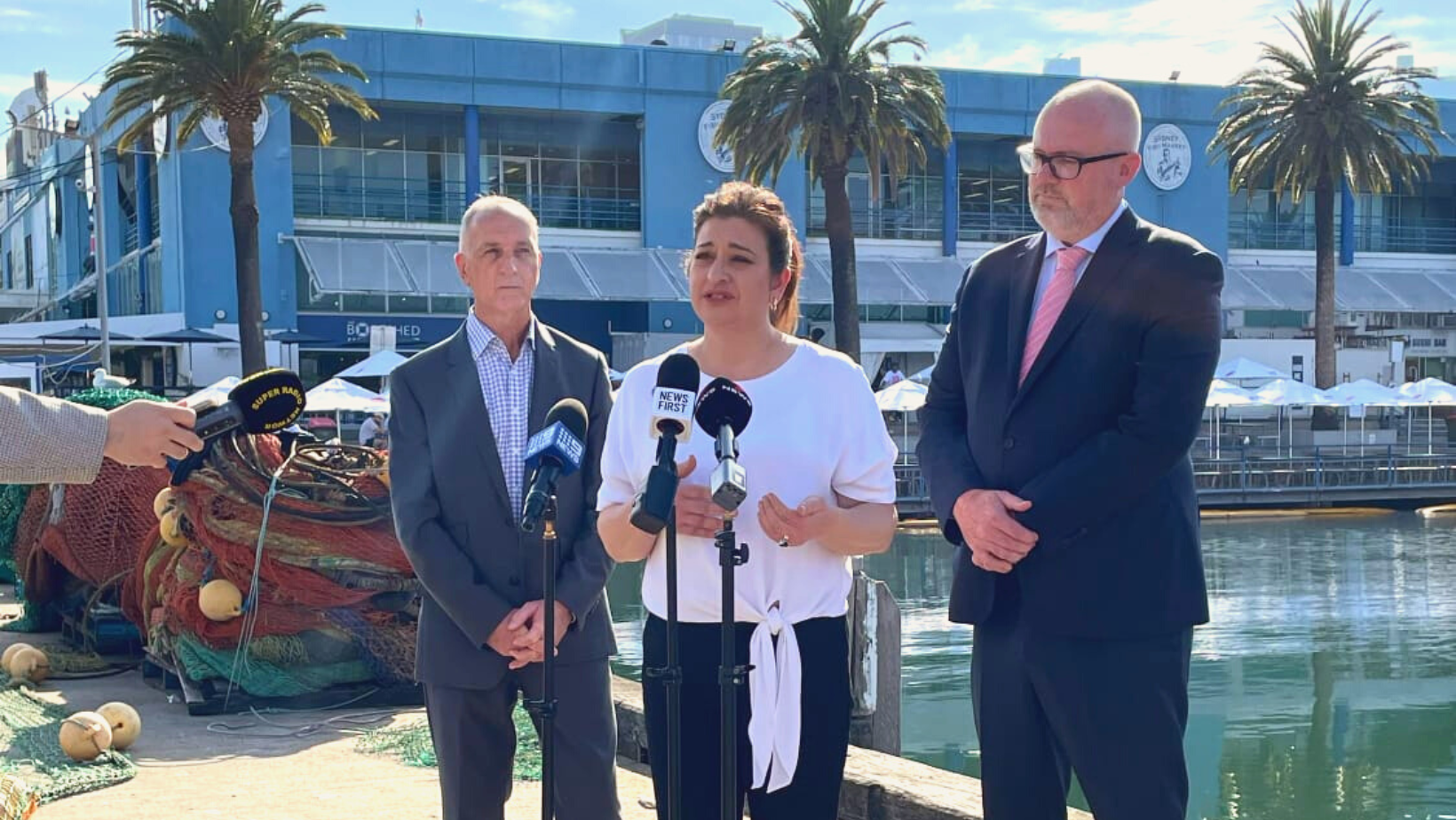
Speaking at the Sydney Fish Market today, Assistant Minister for Manufacturing Tim Ayres said the Australian Government is eager to strike the right balance between improving consumer access to information and being practical and low cost for local businesses to make the necessary changes.
“Australians should be able to easily find out where their food comes from. Making seafood labelling clearer, simpler and mandatory will mean people will know if they are purchasing premium local produce,” Assistant Minister Ayres said.
The Government’s proposed model would mean businesses need to indicate if seafood is:
- Australian;
- Imported/international, or
- Mixed origin (containing both Australian and imported seafood).
“These changes won’t be made overnight. We know businesses will need time to adjust to new labelling requirements and we’ll be working closely with businesses to help them through this transition.”
“We’re seeking feedback on the proposal, and I encourage businesses, consumers and the community to provide feedback.
“Australia is home to a world-class seafood industry and consumers deserve to know where their seafood is coming from,” Assistant Minister Ayres said.
Consumers have had access to origin information on most food products sold in retail stores since 2018, when the first set of labelling reforms came into full effect.
A cost-benefit analysis of the scheme found that every $1 of costs incurred generated $3.30 in benefits.
CEO of Seafood Industry Australia Veronica Papacosta welcomed the announcement, noting country of origin is one of the most influential factors for a consumer choosing which seafood to buy.
“The introduction of Country of Origin Labelling in foodservice will allow consumers to make informed decisions about the seafood they buy in restaurants, cafes and take-away food stores across the country, and allow them to support our great Australian seafood producers.
“Right now, for food safety purposes, the supply chain of seafood is known in foodservice all the way to the kitchen door, however, the information is often not passed on.”
A discussion paper and an opportunity to provide views is available at: consult.industry.gov.au until 15 March 2023.
More information on Country of Origin Labelling is available at foodlabels.industry.gov.au.
<ENDS>
AM AYRES MEDIA CONTACT: Katie Booth 0422 343 425
‘Seafood makes a splash as Aussie Christmas icon’: Australian seafood availability for Christmas 2022
It’s O-Fish-aIly Christmas and Seafood Industry Australia (SIA), the national peak body representing the seafood industry, have said the days of the traditional Christmas roast are long gone, having been replaced with a spread of our great Australian seafood. Read on for the insider’s tips on Christmas seafood for 2022.
“Our great Australian seafood has firmly cemented its place as the centrepiece for the quintessential Aussie Christmas lunch,” SIA CEO Veronica Papacosta said.
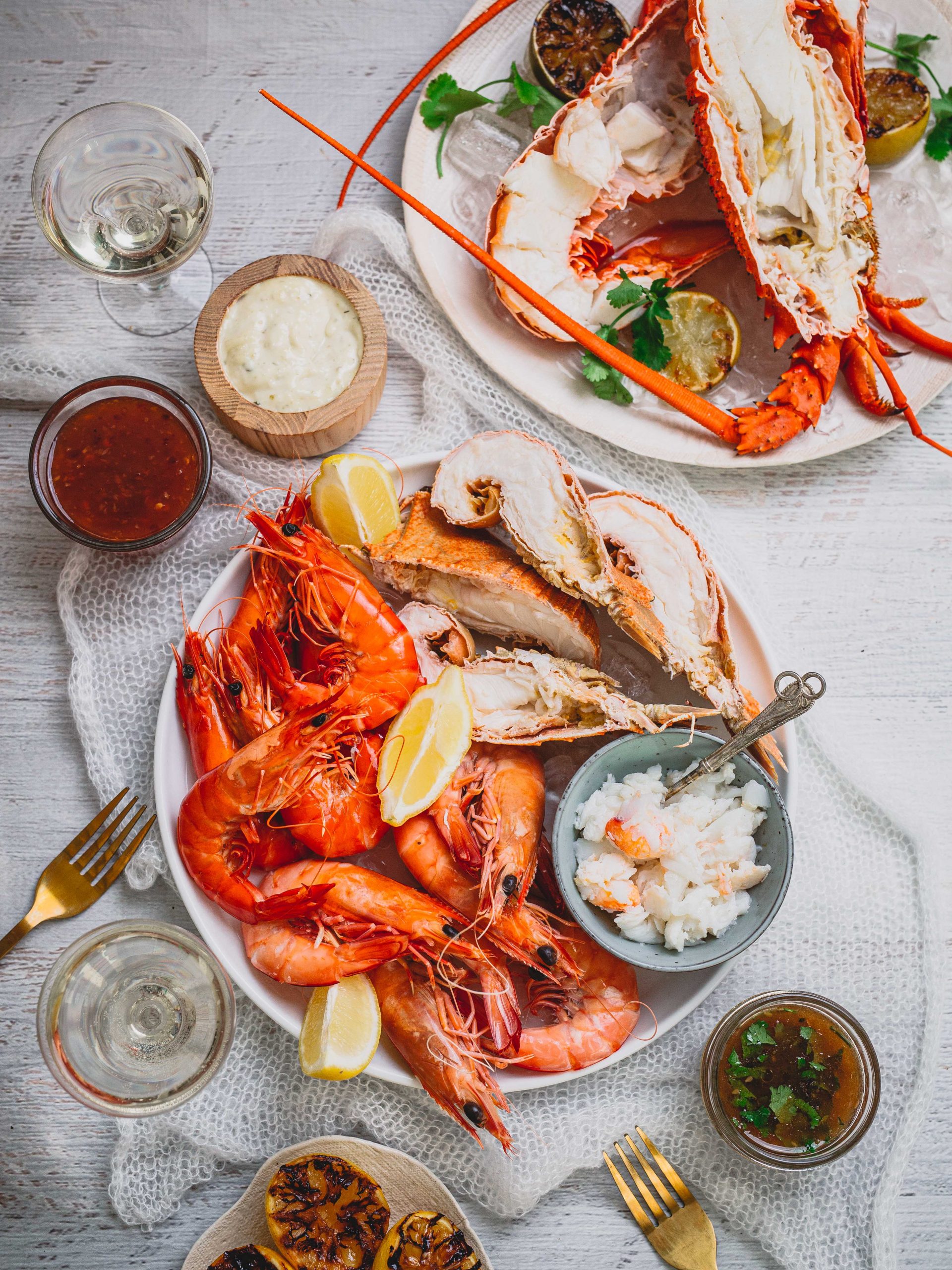
“Gone are the days of slaving over a hot oven. Nowadays people opt to enjoy some of our delicious, fresh rock oysters with a squeeze of lemon, a few kilos of prawns, a side of smoked salmon, and some of our fantastic rock lobsters.
“Prawns are traditionally the biggest seller of the season, however we are seeing rock lobsters and whole fin-fish like Tasmanian Atlantic Salmon and Barramundi rising in popularity as people opt for seafood over the traditional beef or lamb roast.
“Australian Prawns are abundant this year between our wild-catch and aquaculture operations. We’ve had a fantastic wild-caught King Prawn and Banana Prawn season, they are both looking really good, and our farmed Tiger Prawns are always fantastic.
“If you’re in a coastal community, have a chat with your seafood retailer about your local School Prawns which are often really sweet and can be eaten whole. They are really tasty, deep-fried shell and all, served with a tartare or seafood sauce.
“There is still going to be a really nice abundance of Western Rock Lobsters in the domestic market, consumers can expect to find these in stores for between $30-35 each. People will also find some beautiful Eastern and Southern Rock Lobsters available too. These make a great hero centrepiece as an alternative to a whole ham, or roast. Very impressive.
“Moreton Bay and Balmain Bugs are of lovely quality with really sweet, delicate meat. We expect these to be the same price as last year. Alongside lobster and prawns, bugs can take pride of place on your seafood platter.
“It’s been a tough season for Sydney Rock Oyster growers with the loss of the Port Stephens oyster farms and the ongoing rain events along our Eastern Coast. This will put pressure on the supply available, but the Sydney Rock Oysters in-market are of fantastic quality. Pacific Oysters are looking good; however, they can come into spawn in late December-January so this could impact supply.
“There is some really high-quality, fresh Australian Tuna coming into the market and consumers should be on the lookout for Southern Bluefin Tuna, which has been excellent lately.
“Tasmanian Atlantic Salmon both smoked and fresh should maintain a steady year-round pricing and are always a welcome addition to Christmas and New Year celebrations.
“If you’re looking for a whole fish to roast or BBQ Australian Snappers, Barramundi, Salmon and Ocean Trout are great and readily available. These are all stunning table fish and will make for a show stopping centrepiece. Both whole fish and fillets will be available and there shouldn’t be much of a change in price year-round.
“Our Australian Blue Swimmer and Mud Crabs are always excellent at this time of year, and sit at the higher end of prices.
“Across the entire food supply network there has been impacts to the supply chain and labour shortages, however consumers don’t need to worry, between our aquaculture and wild-caught products there will be a wide variety of Australian seafood available.
“We know Australians love to eat Australian seafood, and if you want to be certain you’re eating sustainable, healthy, world-class seafood this Christmas, always ask for our great Australian seafood .Not sure where to find local seafood? Search fishmongers by postcode using our Fish Finder at www.greataustralianseafood.com.au.
“People should be on the lookout for some of our more underutilised species like Mussels, Calamari or Octopus this Christmas. You might be able to nab yourself a seafood bargain, and maybe even find a new favourite. If you’re not sure how to cook something, take the time to ask your fishmonger for advice.”
<ENDS>
For more information or to organise an interview with SIA CEO Veronica Papacosta please contact
SIA Communications and Public Affairs Manager Jessica McInerney on
e: jessica@463.9af.myftpupload.com or m: 0420 695 431
“Good for you, good for the planet’: Data shows Australians are eating more seafood
Seafood Industry Australia (SIA) has welcomed the release of the Australian Fisheries and Aquaculture Statistics 2021, (2022) which has shown an increase in seafood consumption around the country.
It’s no secret the Australian seafood industry has faced a challenging few years, however the release of this report shows the industry is steadily moving forward and that needs to be celebrated.
Australians consumed around 356,000 tonnes of seafood in 2020–21, which is equivalent to 13.9 kilograms per person. This is up 1.5 kilograms per person from 12.4 kilograms per person in 2019-20, and down from a high of 15.5 in 2003-4. This figure includes imported seafood products which accounted for 62 per cent of consumption, down from 66 per cent in previous years.
It’s wonderful to see an increase in seafood consumption, and we thank Australian consumers for their ongoing support of our great, Australian seafood producers. Especially through what has been a difficult few years for industry, and for listening to our requests to “Eat more Aussie seafood”.
Congratulations to Australia’s aquaculture sector maintained steady growth, with the sector’s GVP growing 9% in 2020-21 to $1.73 billion accounting for 56% of the industry’s GVP. This growth can be largely attributed to Tasmania’s growing Atlantic Salmon industry and Queensland’s prawn production.
Over the last two decades we’ve seen Australia’s aquaculture sector grow, which has helped to boost overall fisheries production. In recent years, our aquaculture sector has broadened the composition of species produced, with an increased emphasis on prawns and finfish varieties, like barramundi and kingfish. Australia’s aquaculture sector has a bright future as it continues to set international benchmarks by providing fresh, high-quality, sustainable seafood year-round, while meeting and exceeding regulatory requirements.
In contrast, the GVP of wild-catch species decreased by 12 per cent to $1.4 billion in 2020–21, largely due to lower prices received for rock lobster in export markets. Lower rock lobster production value was driven by trade and pandemic disruptions continuing to limit opportunities in export markets.
Overall, the GVP of Australian fishery and aquaculture in 2020–21 decreased by 1 per cent to $3.09 billion, which was an anticipated results of the trade and pandemic disruptions.
The Australian Fisheries and Aquaculture Statistics 2021 is supported by funding from the Fisheries Research and Development Corporation on behalf of the Australian Government.
<ENDS>
Australia’s Greatest Fish & Chips shops announced
The winners of the 2022 Great Australian Fish & Chip Awards, organised by Seafood Industry Australia (SIA), have been announced, with the country’s best fish & chippers in each state and territory crowned.
“In every town, across every state and territory, people spruik their fish & chips as number one. So, we’ve listened to the people, and crowned the most popular fish & chip shops around the country,” SIA CEO Veronica Papacosta said.
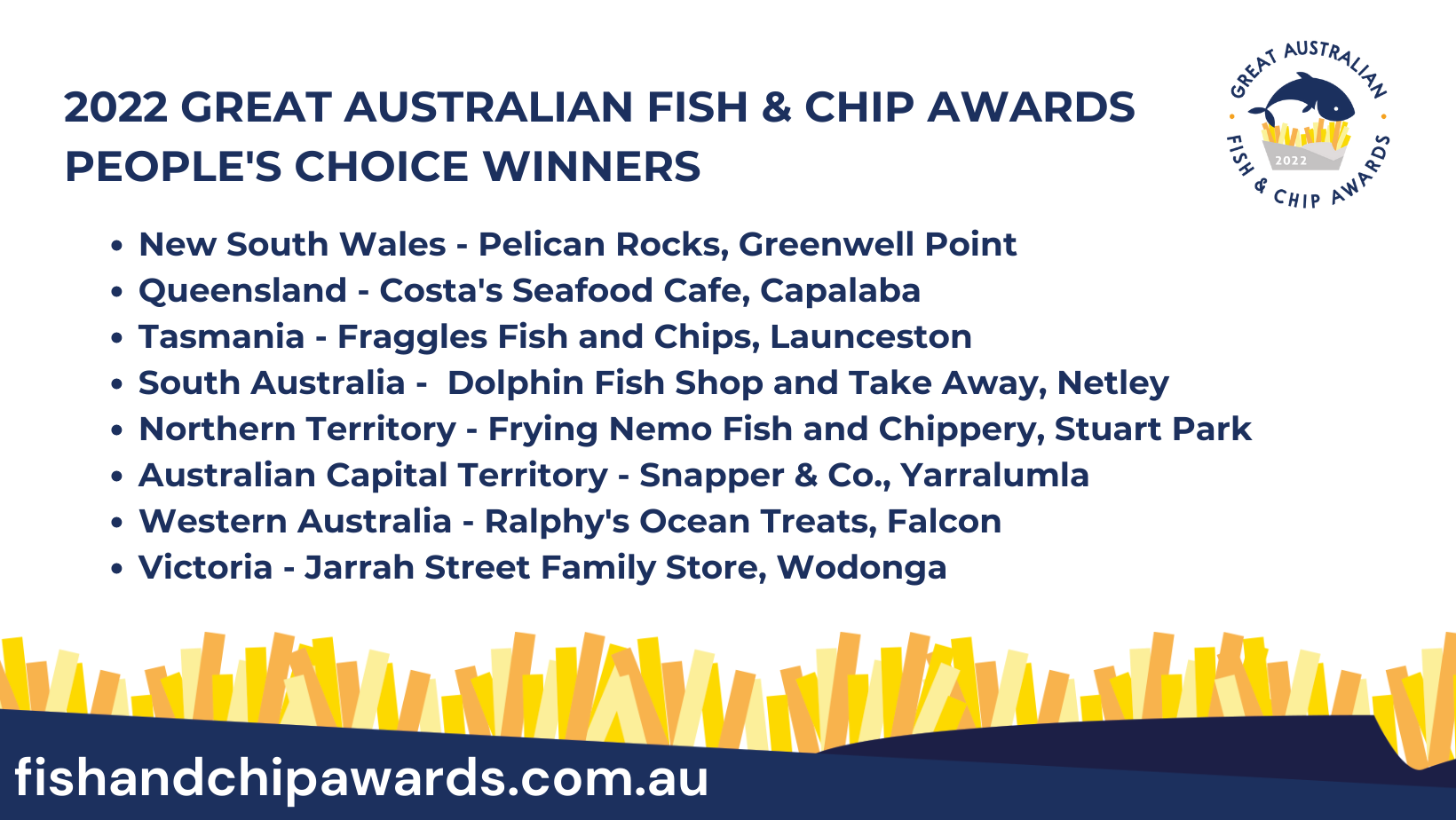
“After close to 60,000 votes from the public spread across 683 stores around the country, the winners of the 2022 Great Australian Fish & Chip Awards People’s Choice Awards have been crowned::
- New South Wales – Pelican Rocks, Greenwell Point
- New South Welshmen cast the most votes out of any state/territory, which meant this top store reeled in the most votes in the entire competition!
- Queensland – Costa’s Seafood Cafe, Capalaba
- Tasmania – Fraggles Fish and Chips, Launceston
- South Australia – Dolphin Fish Shop and Take Away, Netley
- Northern Territory – Frying Nemo Fish and Chippery, Stuart Park
- Australian Capital Territory – Snapper & Co., Yarralumla
- Western Australia – Ralphy’s Ocean Treats, Falcon
- Victoria – Jarrah Street Family Store, Wodonga
“It’s no secret the Australian seafood industry and foodservice sector. We encourage everyone to take a night or two off from the kitchen, get together with your friends and family, and support your local takeaway store and your fishers, while you enjoy some Great Australian Fish & Chips.
“The Great Australian Fish & Chip Awards showcase the very best fish & chip businesses around the country, while they celebrate our great Australian seafood, and the fishers who produce all of our favourite seafoods.
“The awards also highlight the importance of buying fresh, local, Australian seafood. It’s important to always ask for Aussie seafood; even why you’re buying fish & chips. Australian seafood is one of the most sustainable protein sources in the world and our fisheries management is world-class. However, 62 per cent of seafood eaten in Australia is imported, so until the Albanese Government’s Country of Origin Labelling for seafood sold in foodservice is brought in, it’s important you chat to your server about where your seafood is from.
“Buying Australian seafood supports Australian fishing families and regional communities they operate in. And, the good news is, it’s easy to support them. You do it just by eating some Great Australian Fish & Chips.”
For more information visit: www.fishandchipawards.com.au .
<ENDS>
For more information or to organise an interview with SIA CEO Veronica Papacosta or one of the winners
Please contact SIA Communications and Public Affairs Manager Jessica McInerney
e: jessica@463.9af.myftpupload.com or 0420 695 431
The 2020-110: Fish and Chips Awards is supported by funding from the Fisheries Research and Development Corporation on behalf of the Australian Government.
FOOD INDUSTRY CALLS FOR NATIONAL FOOD SECURITY PLAN FOLLOWING ONGOING NATURAL DISASTERS
Political bi-partisan support needed to protect consumers from sky rocketing food prices
The National Food Supply Chain Alliance, made up of nine influential national food industry associations, representing over 165,000 food businesses, is calling for the urgent establishment of a National Food Security Plan following unprecedented, long-term threats to its domestic food supply chain including ongoing natural disasters.
It believes the absence of a national plan has the potential to jeopardise the functioning of the economy, national security, and Australians’ wellbeing.
The Alliance, which represents every component of the nation’s food supply chain from paddock to plate, says food inflation will continue to rise unless a co-ordinated, national food supply chain strategy is adopted. A national strategy will help stabilise future food price fluctuations, and provide consistent, dependable access to sufficient volumes of food for domestic consumption.
It says it is critical in the world in which we now live, with more regular, more severe climatic events, that we examine all aspects of the nation’s food supply chain to ensure we become more resilient, self-sufficient, agile and flexible to cope with supply and demand shocks. It says recent threats have laid bare the nation’s food supply chain’s dependencies, risks, and vulnerabilities.
Other disruptors that impact Australia’s food supply chain, apart from natural disasters, include geo-political tensions, ongoing labour shortages, transport and logistics issues, financial challenges through rising cost of business, and future human and animal disease outbreaks.
The Alliance says despite countless reports and research in recent decades, Australia has failed to produce policy adoption and the implementation of a nationally co-ordinated, risk mitigation food supply chain strategy. All the potential disruptors to our food supply chain have never been brought together under ‘one’ co-ordinated national strategy.
The Alliance believes government and industry must work together to fully understand the complexities of the food supply chain and examine how specific events might impact the various pieces of the food supply chain jigsaw puzzle. This approach must incorporate the entire ‘living’ food supply chain eco-system, from paddock to plate, encompassing production, processing, distribution, retail, consumption, and disposal.
From the perspective of both government and industry, research has shown there are many social and economic benefits from a more efficient, more sustainable, and self-sufficient national supply chain. It will provide more stability to food related businesses, boost innovation and technology, enhance the nation’s food processing capacity, create jobs and, most importantly, provide the community with the confidence it needs in the nation’s food security.
Recommendation: That Australia urgently establish a National Food Security Plan. Chaired by the responsible Minister, with input from multiple other relevant portfolios, and working with the support and technical guidance of a Food System Advisory Reference Group made up of representatives across all aspects of the food supply chain. The Group will review recommendations and help with the adoption of industry-wide initiatives that will help eliminate the current risks and disruptions in the system.
What is the National Food Supply Chain Alliance
The National Food Supply Chain Alliance (NFSCA) represents all facets of Australia’s food supply chain from farmers, processors, grocers and butchers, independent supermarkets, convenience stores, wholesale suppliers and distributors to food retailers including cafes, restaurants, hotels, and clubs. In total, the nine national food industry associations represent over 165,000 businesses with a combined revenue of a staggering $200 billion and who employ almost 1 million workers.
The Associations include: The National Farmers Federation (NFF), Australian Meat Industry Council, (AMIC), Independent Food Distributors Australia (IFDA), Master Grocers Australia (MGA), the Australian Association of Convenience Stores (AACS), AUSVEG, Seafood Industry Australia (SIA), the Restaurant and Catering Industry Association and the Refrigerated Warehouse and Transport Association of Australia.
Contact: Richard Forbes CEO – Independent Food Distributors Australia – 0427 270 687
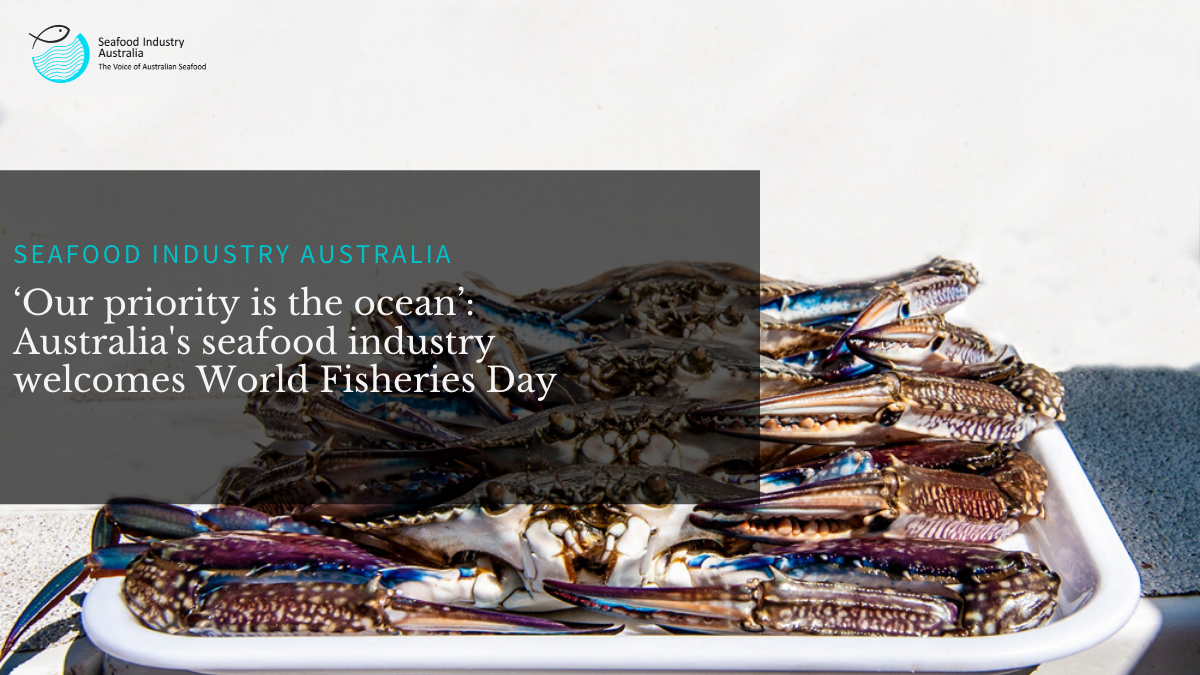
‘Our priority is the ocean’: Australia’s seafood industry welcomes World Fisheries Day
Australia’s seafood industry is encouraging the community to support our fishers and our Great Australian Seafood as part of World Fisheries Day celebrations on Saturday, November 21.
“Australia’s seafood industry is responsibly managed, and produces some of the best seafood in the world,” Seafood Industry Australia (SIA) CEO Veronica Papacosta said.
“There’s no better way to celebrate World Fisheries Day than by tossing a few Great Australian Prawns on the barbie, a side of Tasmanian Atlantic Salmon in the oven, pan-searing some iconic Australian Barramundi, or voting for your favourite fish and chip retailer in the Great Australian Fish & Chip Awards which start today.
READ MORE: ‘Batter up’: The search begins for Australia’s Greatest Fish & Chips
“Right now, 70 percent of seafood eaten in Australia is imported and today as part of World Fisheries Day we’re calling on the community to support their Australian seafood industry, after an especially hard year, and ask for Aussie seafood whether it’s at their fishmonger, fish and chip shop, or the local Thai restaurant.
“Australia’s seafood industry is subject to some of the most intensive fisheries management and reporting protocols in the world. As an industry, accountability is incredibly important. Every Australian boat, catch and pot has to be logged and submitted to the relevant authority. As fishers, our priority is the ocean. It’s our livelihood, and the future livelihood of generations to come.
“We have wonderful fisheries management structures here in Australia and our Fisheries Managers let our fishers know what they can catch, where they can catch it, when and how they can catch it, and how many they’re allowed to catch each year. And most importantly, it’s working.
“Australia’s Commonwealth-managed fisheries are continually given the tick of sustainability. This is something our commercial fishers are very proud of, and is unprecedented internationally. The footprint of Australia’s trawlers is one of the smallest in the world. Coupled with our aquaculture sector – who provide fresh, high-quality seafood, year-round – Australian seafood is one of the best managed and most sustainable protein sources in the world.
“Australians can be confident that every time they buy Great Australian Seafood it is coming from well-managed, sustainable fisheries, which ensures that our fish stocks will be around for generations to come.”
<ENDS>
For more information or to organise an interview with SIA CEO Veronica Papacosta
Please contact SIA Communications and Public Affairs Manager Jessica McInerney
e: jessica@463.9af.myftpupload.com or 0420 695 431

Thailand tastes the Wonders of Australia
Thailand’s fabulous flavours and Australia’s finest produce – it’s a combination that’s hard to beat and one that was on full display in Bangkok this week at the Taste the Wonders of Australia event.
Celebrity chef Ksynn Detcharoen, of Bangkok Private Chef Dining and MasterChef Thailand fame, created a Thai fusion feast, blending the best attributes of the two cultures to highlight the culinary possibilities of Australian produce to some of the country’s most influential foodies.
The Taste the Wonders of Australia event included a cooking demonstration and trade displays showcasing the true flavours of Australia’s premium produce to 160 of Thailand’s culinary experts, chefs, foodies, importers, distributors and business leaders, along with representatives from the Australian and Thai governments.
Among the guests at the Taste the Wonders of Australia event was Austrade Senior Trade Commissioner and Minister-Counsellor (Commercial) Michael Helleman.
“Thai cuisine is famous for its use of fresh and quality ingredients,” Mr Helleman said. “Every ingredient in a dish has to speak for itself, and Australian exporters can provide premium quality products.
“Australia is known for its quality produce, from the freshest vegetables to naturally raised tender meat with beautiful marbling and flavours. Australian seafood is similarly known for its superior taste and sustainable processes from packaging to harvesting.
“Our dairy products, fruits and vegetables meet the highest standards. Australia has one of the most exciting wine scenes in the world with 65 wine regions and a diverse range of styles.
“This makes Australian products the perfect match for Thai consumers who are very aware of and demand quality. Australian produce and wine are already sought after by chefs and consumers for their excellent quality and distinctive taste.”
Chef Ksynn’s menu opened with a Seafood Spicy Fruit Salad of Australian seafood, fruits and vegetables, followed by Roti and Lamb Rack Curry, showcasing Australian dairy, vegetables and lamb.
The main course, Beef Fat Fried Rice with Grilled Australian Beef Rump Cuts, was topped with baked mussels, mozzarella cheese and Australian butter.
Dessert was the Australian classic Lamington – soft sponge cake with chocolate sauce, coconut flakes, mousse and yoghurt ice cream with seasonal Australian fruit.
The Thai fusion menu was paired with Australian wines from some of the country’s best wine growing regions, to match the distinct flavours of Thai cuisine.
“As a professional chef, I have come to rely on Australian products for their quality, variety and sheer consistency,” said Chef Ksynn, who created the feast with assistance from a team of student chefs from the renowned MSC Culinary School.
“You can see this in the menu I have created. The beef is raised in natural, pristine environments, and the vegetables and fruits are the finest you can get.”
The Taste the Wonders of Australia event was jointly organised by the Australian Food and Wine Collaboration Group.
The group consists of MLA, Seafood Industry Australia, Dairy Australia, Horticulture Innovation Australia and Wine Australia, with the support of the Australian Government.
Thailand – a growing opportunity for Australia’s food producers
Thailand is the second-biggest economy in ASEAN and a major global tourism destination. This dynamic and consumer-driven market with rising disposable income and a huge visitor market of about 35 million is increasing its demand for imported food and beverages, offering many opportunities for Australian exporters.
Thai importers and customers appreciate Australia’s “food safety and sustainability” credentials and perceive it as a high-quality supplier.
Thai customers are turning to Australian produce for its lower chemical use in the production process, as concerns about food safety become more widely known. Australia producers are known to deliver some of the best flavours with the country’s unique environment, world-class producers and superior quality control standards.
Buyers expect Australian produce to be of a high standard, have a longer shelf life and taste better when compared to imported products from other countries.
Acknowledgements
The Australian Food and Wine Trade Collaboration was created to promote quality Australian food and beverages in key international markets. The members and funding partners are Dairy Australia, Hort Innovation, Meat & Livestock Australia, Wine Australia and Seafood Industry Australia.